
Most water photographers know Phil Gallagher as the man from Aquatech. But long before he was helping develop water housings, Phil was chasing some of the heaviest waves on the planet, documenting surf breaks that hardly anyone knew existed and making a living doing what he loved.
I've known of Phil and admired his photography for decades, going right back to our early bodyboarding days around Coffs Harbour.
More recently, I've worked closely with Aquatech through my own water photography, so I thought it was about time to sit down with Phil and hear the full story.
And mate, what a journey he's had!
We ended up chatting for nearly 100 minutes, covering everything from pioneering surf photography adventures to publishing magazines, creating books, making a living from photography and eventually helping shape the future of Aquatech.
There's even a story or two in here Phil reckons he's never told publicly before.
Watch the full conversation below.
Chasing Waves and Making a Living From Photography
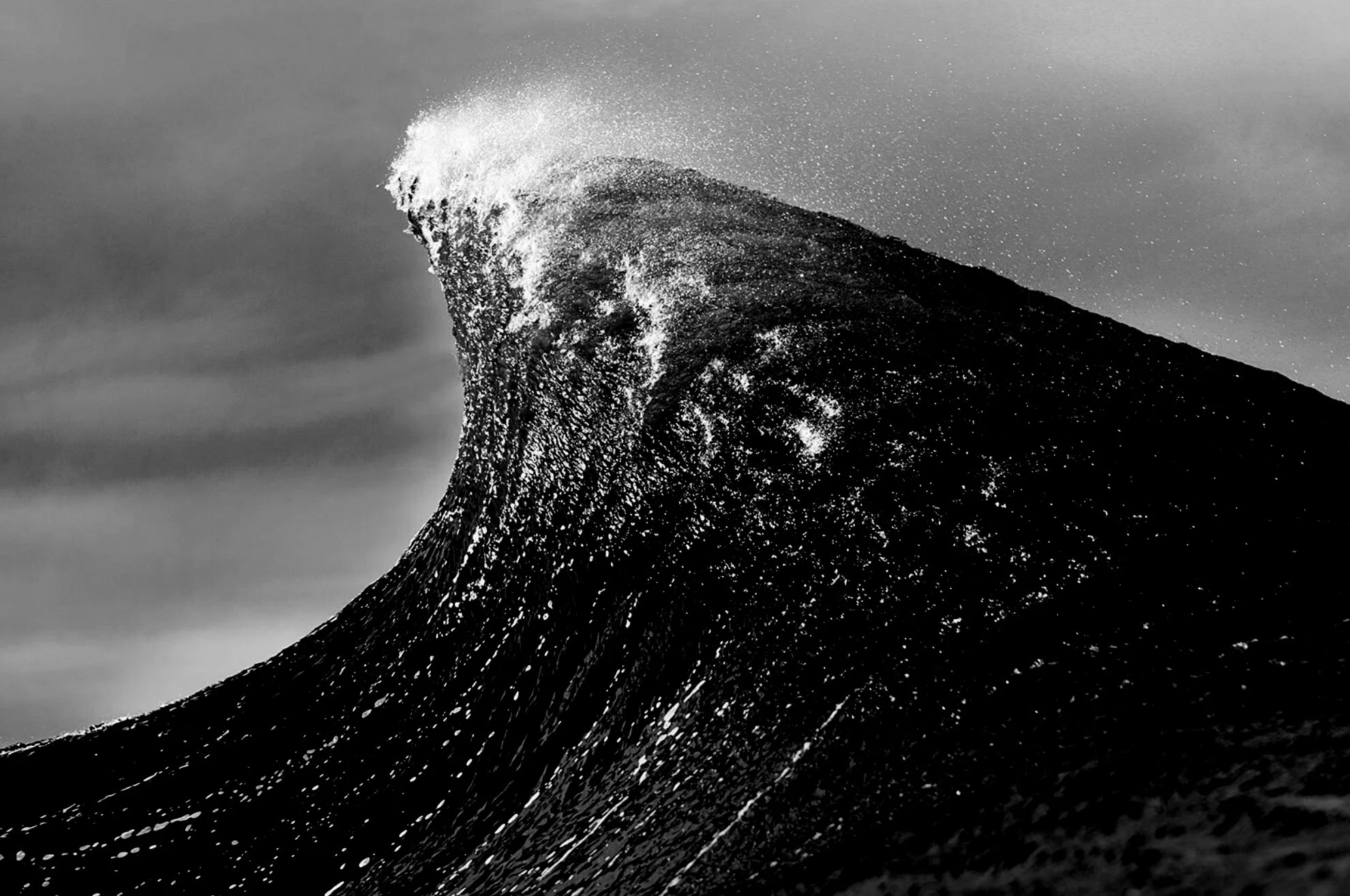
Long before digital cameras made everything easier, Phil was travelling around Australia and overseas photographing bodyboarding and surfing for magazines.
Some of my favourite parts of our conversation are the stories from those early days, particularly his adventures trying to find and photograph waves like Shipstern Bluff in Tasmania and The Right in Western Australia.
We're talking long hikes, rough conditions, secret locations and a fair bit of uncertainty about what they'd actually find.
One story that really stood out was Phil turning down offers of serious money from surf magazines because he'd promised to keep a particular wave secret.
Anyone who's spent time around surf culture will appreciate that one.
It's a fascinating insight into an era of surf photography where discovering and documenting new waves was as much a part of the adventure as taking the photographs themselves.
From Surf Magazines to Photography Books
Phil's career didn't stop at shooting photographs for magazines.
He eventually became involved in publishing, producing his own work and learning the business side of photography.
We talk about his early book Deluxe, independent magazines, and the creative freedom that comes with making something entirely your own.
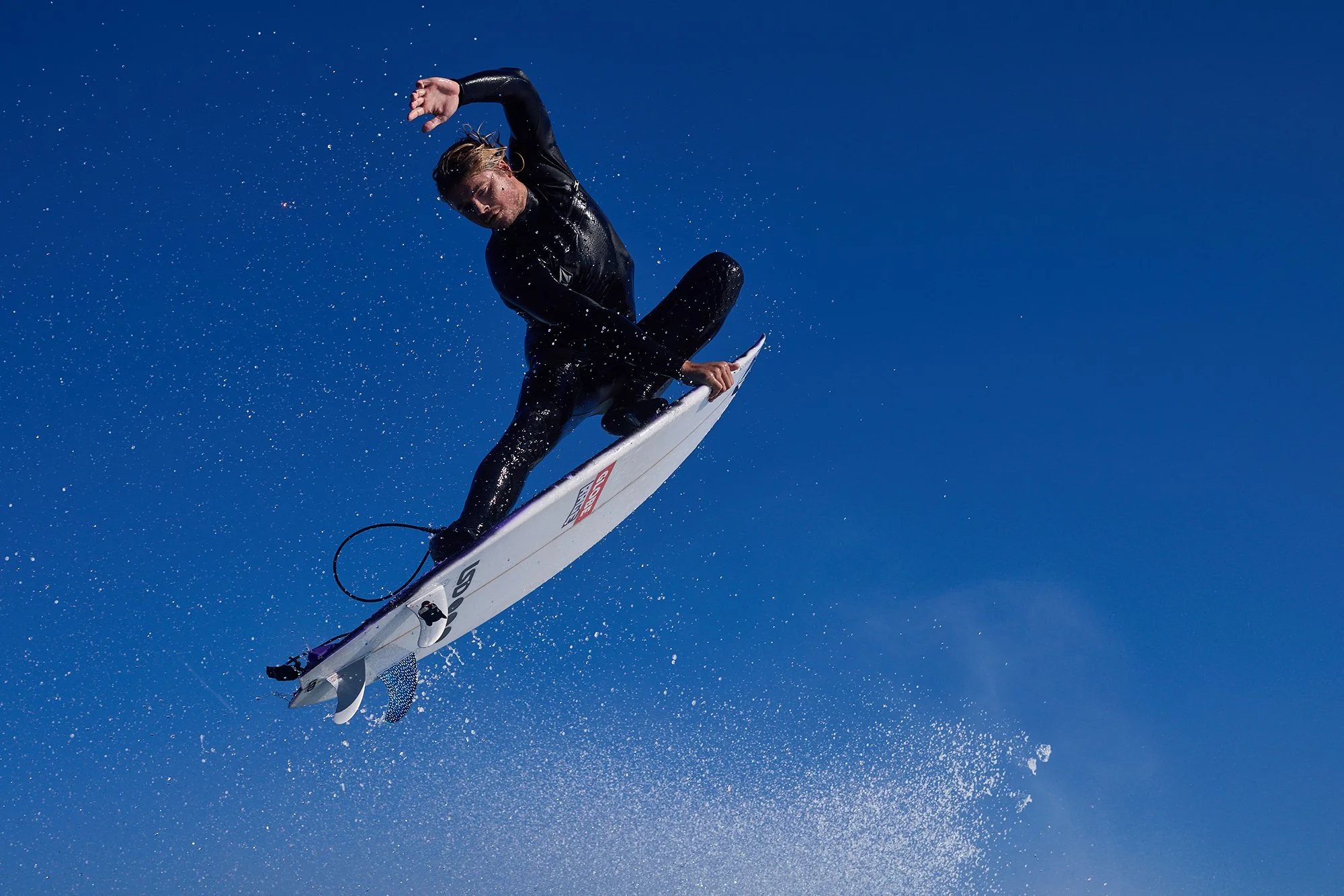
One of the more recent projects we discuss is his photography book with Australian surfer Noah Deane.
That project came during the COVID years, when Phil had stepped away from his role with Aquatech and returned to working as a photographer.
It's an interesting part of the conversation, particularly hearing how the project came together and some of the challenges along the way.
As someone who's been making a living from photography for more than 20 years myself, I found this part of Phil's journey particularly relatable.
From Photographer to Aquatech
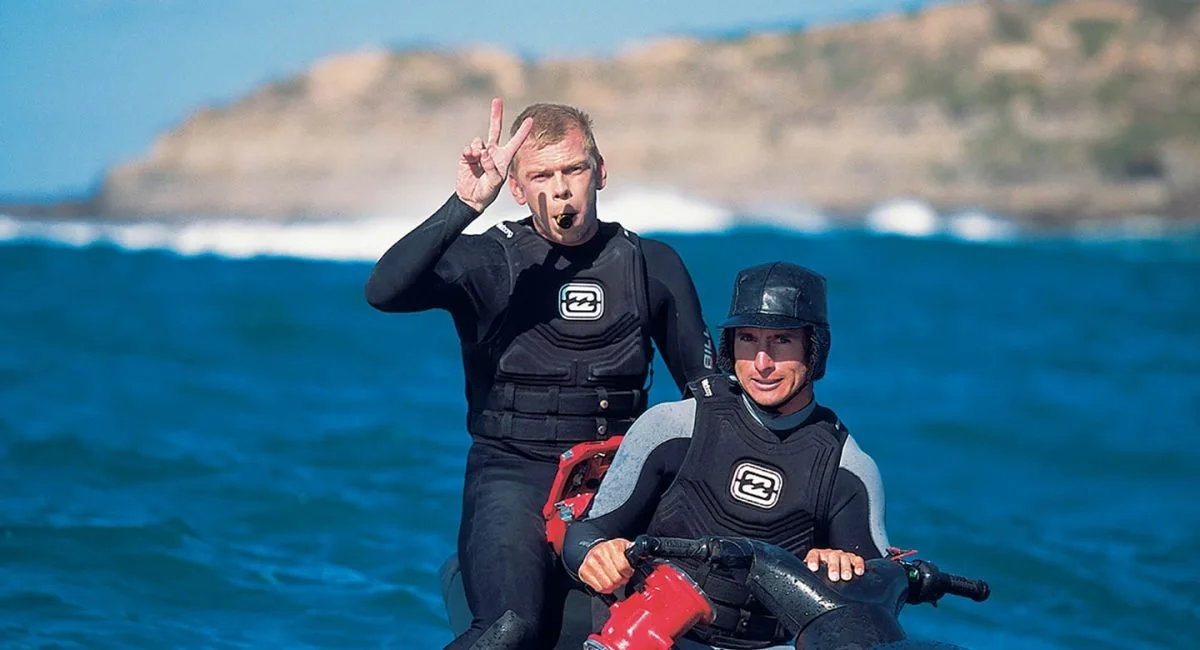
Phil's connection with Aquatech actually began back in the late 1990s when he was using their water housings for his own photography.
Over the years, that relationship developed from being a customer and photographer testing equipment to helping develop products and eventually becoming an integral part of the business.
What I found particularly interesting was hearing how much real-world experience goes into the design of water housings.
It's one thing to design something that works on paper. It's another to have decades of experience swimming around in heavy surf, dealing with camera controls, ports, water pressure and all the little challenges that come with shooting in the ocean.
That knowledge is incredibly valuable when it comes to developing equipment for other photographers.
What's Next for Aquatech?
Towards the end of our conversation, Phil shares some exciting information about where Aquatech is heading.
We get into the development of deeper-rated water housings, some of the thinking behind future products, and what's happening in the world of underwater lighting.
There's some genuinely interesting stuff here for anyone already using Aquatech equipment or considering getting into water photography.
I'll leave the details for you to discover in the interview.
Aquatech Discount Code TOMW: Save 5%
I've been using Aquatech water housings for years in my own surf, underwater and commercial photography.
They're a big part of how I work, and I'm also an Aquatech affiliate.
If you're considering purchasing a housing, lens port or other Aquatech accessories, you can use my discount code TOMW to save 5% on eligible purchases.
Aquatech Australia: https://aquatech.net/
Discount code: TOMW
I've also written a separate article about Aquatech water housings, pricing and how to use my discount code:
Read my Aquatech Water Housing and Discount Code Guide
Affiliate disclosure: I may earn a commission when you purchase through my Aquatech affiliate links or use my code, at no additional cost to you.
More Water Photography Advice From Phil
After we finished the main interview, Phil and I kept chatting about some practical water photography topics.
We've got four separate videos coming covering advice for photographers getting started with water housings, looking after your equipment, choosing between glass and acrylic ports, and techniques for keeping water off your lens.
These will be published over on my Dream Life Photography YouTube channel.
A massive thanks to Phil for taking the time to share his experiences, knowledge and stories.
If you're into photography, the ocean or simply hearing how people have built a life around something they're passionate about, I reckon you'll enjoy this conversation.
Cheers,
Tom